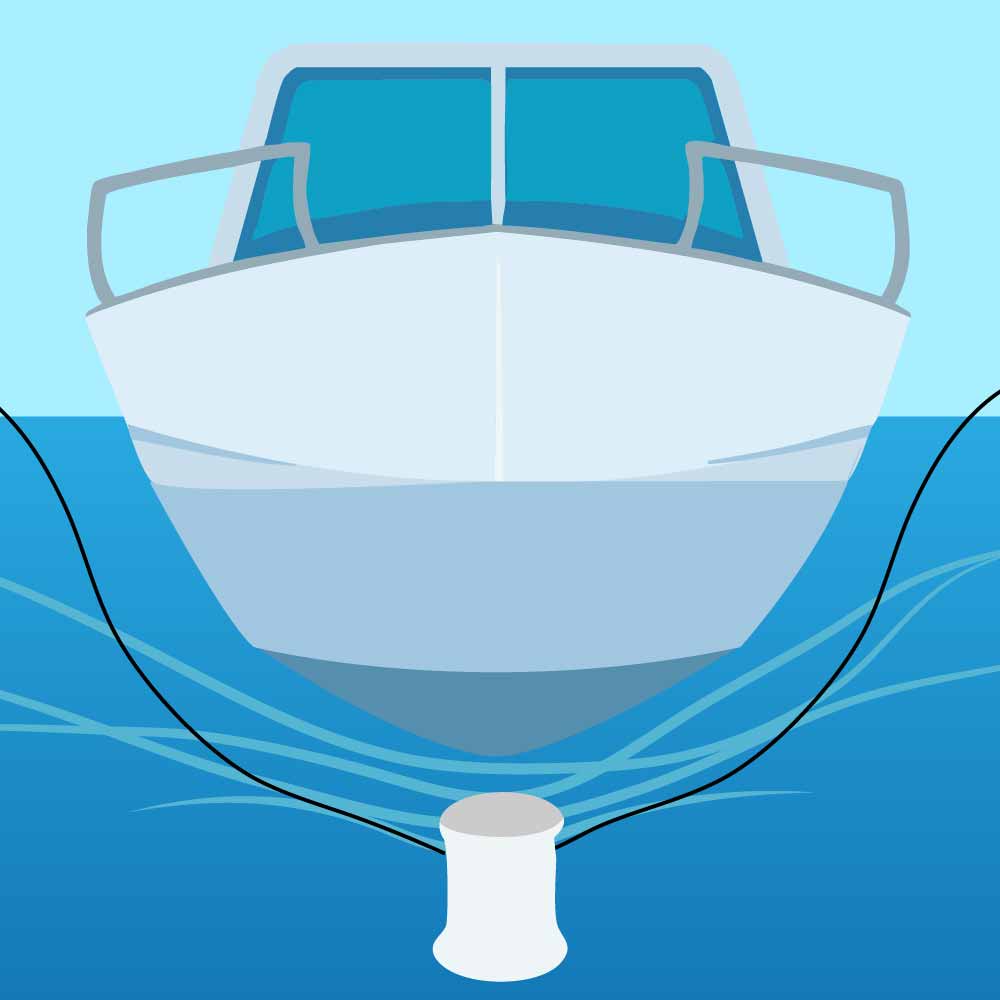
When winter arrives, ice formation can cause catastrophic damage to boats, docks, and other waterfront structures. From cracked hulls to lifted pilings, the freezing and expansion of water is powerful enough to cause costly repairs—or even sink a boat in its slip. Fortunately, de-icers provide a reliable way to prevent ice damage and protect your investment throughout the entire season.
How Ice Damages Boats and Docks
When water freezes, it shifts, expands, and moves with wind and current. This creates several risks to your lake and marine equipment, including:
- Hull Damage: Ice grinding against the hull can tear at the gelcoat of fiberglass boats.
- Boat Leaks: Water freezing inside the bilge or seams of wooden boats can crack planks and cause leaks.
- Floating Ice: Loose chunks of ice can act as battering rams when pushed by wind or waves.
- Dock Lifting: Ice expansion can shift pilings or push docks off their footings entirely.
- Winter Kill: In ponds, thick ice and heavy snowpack block oxygen exchange, which can lead to fish die-off.
These problems make prevention far more cost-effective than repairs, especially when structures like docks and marinas can cost tens of thousands of dollars to rebuild.
Structures Most Affected by Ice
The most vulnerable areas include harbors, docks, bridges, and marinas. For perspective, rebuilding a basic private dock can cost around $20,000, while new marina slips can run as high as $50,000 each. Boats docked in marina slips are at high risk of catastrophic ice damage, which often leads to sinking.
How De-Icers Work
De-icers use a simple but effective method to prevent ice from forming:
- Heat: Water near the bottom retains geothermal heat from the earth.
- Circulation: A de-icer’s propeller draws this warmer water upward.
- Motion: Constant water movement at the surface prevents ice from freezing solid.
- Protection Zone: An open area of water forms around the boat, dock, or pond feature.
By maintaining constant water agitation, de-icers reduce the risk of structural damage and keep oxygen flowing in ponds, thereby helping fish survive the winter and preventing the formation of anoxic dead zones.
Mounting Options for De-Icers
De-icers can be installed in several ways, depending on the water depth and the types of structures available in your waterbody.
- Sling Mount: Uses ropes or mooring lines to hang the de-icer between two fixed anchors on the shore—ideal for deep water.
- Dock Mount: Keeps a wide berth of ice-free water around your dock—360-degree adjustable angle for wide clearance.
- Shallow Water Stand: Perfect for ponds without docks or piers—provides an adjustable mounting point for depths of 18–48 inches.
The angle of installation determines the coverage pattern. Vertical setups create a tight, circular opening, while angled mounts spread the flow for larger, oblong coverage areas.
Off-Season Uses for De-Icers
De-icers aren’t just for winter. They can also be used year-round to:
- Create water currents for improved angling
- Funnel debris away from shorelines and docks
- Prevent algae buildup around targeted areas
Protect Your Investment This Winter
Whether you’re safeguarding a boat, dock, or slip, a pond de-icer is a wise investment against winter damage. By keeping ice at bay, you’ll extend the life of your structures, avoid costly repairs, and ensure your pond stays balanced year-round. Contact our knowledgeable pond coach team at 866-POND-HELP for more seasonal pond care advice.
Related Winter Pond Articles:
Preventing Ice Damage to Docks
Running Pond Aeration During Winter
Maintaining Winter Water Quality
Last Updated: November 6, 2025