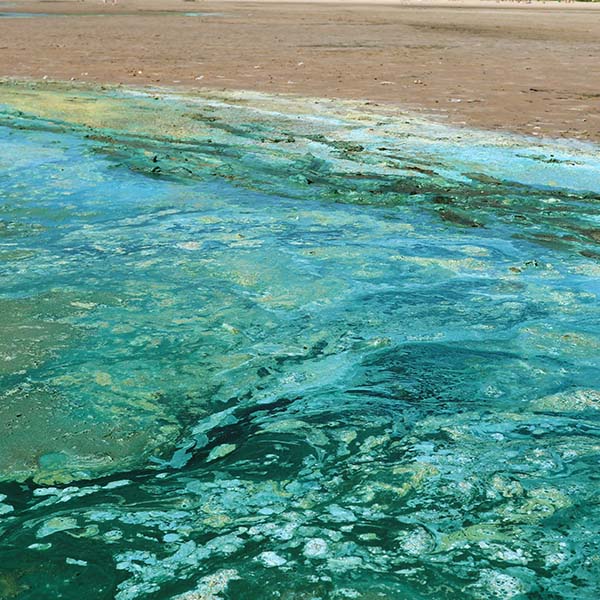
Harmful algal blooms—often shortened to HABs—are making headlines across the world. These rapid growths of cyanobacteria, or “blue-green algae,” can turn clear water into thick, green paint within days. Unlike ordinary pond algae, HABs release toxins that threaten aquatic life, wildlife, pets, and even human health, so agencies monitor and control HABs to protect public safety.
Understanding Harmful Algal Blooms
Understanding the causes of harmful algal blooms is crucial for preventing and controlling them. Excess nutrients, particularly nitrogen and phosphorus, act as fertilizers for algae. These nutrients often come from lawn runoff, agricultural fertilizers, leaking septic systems, or poorly managed stormwater. Combine that with warm, still water and sunlight, and you’ve got ideal conditions for a bloom.
Why Are Algal Blooms Harmful?
Not all algae are bad, as many species form the foundation of balanced pond ecosystems. However, harmful algae blooms can cause devastating problems when cyanobacteria dominate.
Here’s why algal blooms are harmful:
- Toxin production: Many cyanobacteria produce toxic compounds that can sicken or kill fish, pets, livestock, and people.
- Oxygen depletion: When a bloom dies off, the decaying material consumes oxygen, suffocating fish and beneficial organisms.
- Aesthetic and recreational impacts: Thick surface scums block sunlight, stain shorelines, and create foul odors. Swimming or boating becomes unsafe and unappealing.
- Ecosystem imbalance: HABs outcompete beneficial plankton and aquatic plants, disrupting the natural food chain.
Because of these risks, HABs are closely tracked by environmental agencies across the U.S., and harmful algal bloom news updates are often issued when blooms are detected.
How Officials Monitor and Control HABs
Environmental officials use a combination of the following monitoring, early detection, and management strategies to reduce the impact of HABs.
- Routine Water Testing
State agencies, conservation districts, and lake associations regularly collect water samples to measure nutrient levels, temperature, dissolved oxygen, and chlorophyll. When a bloom is suspected, samples are tested for cyanotoxins to determine if the bloom qualifies as a harmful algal bloom. - Aerial Surveillance
Modern monitoring programs employ satellite imagery and drone flyovers to track bloom growth and movement. This enables scientists to identify high-risk lakes and respond more quickly, which is especially crucial during the warm summer months. - Public Health Alerts
When toxin concentrations exceed safe thresholds, agencies issue public advisories or temporary closures. These alerts are shared via websites, signage, and local media to prevent exposure. Staying aware of HAB news in your area helps protect both people and pets. - Nutrient Source Control
Because nutrient pollution fuels most HABs, agencies work upstream to reduce the inflow of fertilizers, animal waste, and sediment. Common approaches include:- Encouraging buffer zones of native vegetation around ponds and lakes
- Promoting responsible fertilizer use
- Improving wastewater and stormwater management infrastructure
- Supporting soil conservation practices on farms
- Algaecide and Aeration Programs
In some cases, officials apply EPA-registered algaecides to reduce cyanobacteria populations in public waters. These are used carefully and often combined with aeration systems, which increase oxygen circulation and make conditions less favorable for future blooms. - Long-Term Restoration
Large-scale lake management projects may involve dredging nutrient-rich sediments, restoring wetlands to filter runoff, or modifying water flow patterns to reduce stagnation. These restoration efforts take time, but they provide sustainable protection against recurring harmful algae blooms.
What You Can Do
Even if you’re not managing a public lake, private pond owners can play a big role in prevention. Here are steps to reduce the risk of HABs on your property:
- Install aeration systems to keep water moving and oxygenated.
- Use beneficial bacteria to naturally consume excess nutrients.
- Maintain a vegetative buffer around your pond to capture runoff.
- Avoid overfeeding fish or over-fertilizing lawns near the pond.
These proactive steps mirror what environmental officials do on a larger scale, helping you protect your pond before it becomes toxic.
Keeping Your Pond Safe From HABs
Harmful algal blooms (HABs) are a serious concern, but they’re also manageable with early detection and responsible nutrient control. Environmental agencies across the U.S. are investing in monitoring and remediation programs that protect public waters.
You can follow their lead! By understanding what causes harmful algal blooms and applying the same science-based strategies, you can maintain a clear, balanced, and safe pond for everyone. Contact us at 866-POND-HELP for personalized advice for protecting your pond from HABs.
Read More About Pond Algae
Blue Green Algae - Pond Management
Last Updated: November 11, 2025