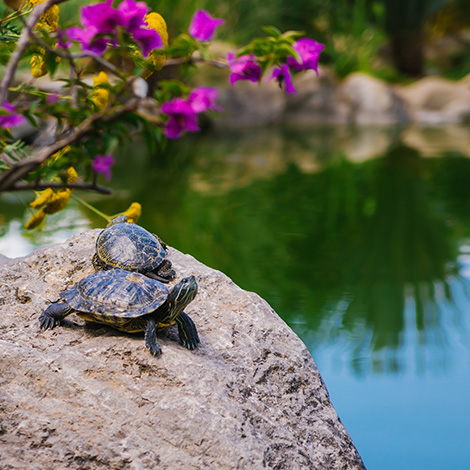
Ponds may be small compared to lakes or rivers, but their environmental impact is mighty. These micro-ecosystems play a vital role in maintaining biodiversity, purifying water, moderating temperature, and even storing carbon. Whether you have a decorative backyard pond or a large natural one, your water feature is doing more for the planet than you might think.
Ponds support thousands of species, from microscopic algae to frogs, insects, fish, and birds. Together, they create a balanced food web that sustains life on both land and water. Even a small pond can become a refuge for pollinators, amphibians, and migratory birds.
The Effects of Pond Ecosystems on the Environment
Pond ecosystems influence their surroundings in several key ways:
Water Filtration
Ponds naturally filter out sediment and nutrients as water passes through, improving local water quality. Plants and beneficial bacteria work together to absorb excess nitrogen and phosphorus, preventing runoff pollution from reaching larger bodies of water.
Carbon Sequestration
Research shows that ponds are surprisingly effective at capturing and storing carbon. They accumulate organic matter in their sediment, helping offset greenhouse gas emissions from nearby landscapes.
Microclimate Regulation
Ponds cool the surrounding air through evaporation, reduce soil erosion, and increase humidity levels—creating a stable microclimate that benefits plants and animals.
Biodiversity Hotspots
A healthy pond ecosystem supports a range of species that would otherwise struggle to find suitable habitat, strengthening ecological resilience.
Creating Climate-Friendly Ponds
Building or restoring a pond is one of the most climate-positive landscaping choices you can make. To minimize environmental stress and maximize benefits, focus on the following:
- Add aeration systems to maintain oxygen balance and reduce algae growth.
- Use beneficial bacteria to manage nutrient levels naturally.
- Avoid chemical fertilizers near your pond to prevent harmful runoff.
For new pond projects, consider starting with an all-in-one pond building kit that includes environmentally friendly, proactive equipment and supplies. These include liners, pumps, filters, and all the necessary components to build a thriving, low-impact water feature.
Ponds as Natural Classrooms
Beyond their ecological role, ponds also offer educational and community value. They provide a hands-on way to learn about ecosystems, water cycles, and sustainable stewardship. Schools, parks, and homeowners alike can use ponds to connect people with nature and inspire conservation at every age.
Small Pond, Big Impact
Whether you’re managing a backyard pond or a multi-acre waterbody, you’re participating in one of nature’s most efficient systems. Each pond is a living filter, a carbon sink, and a habitat all in one. By maintaining a balanced pond ecosystem, you’re helping protect local biodiversity, improve water quality, and contribute to a healthier planet.
Explore how to build your own sustainable pond today, and get personalized advice from our knowledgeable pond coaches by contacting us at 866-POND-HELP.
Read more about the science of ponds in these related guides:
How Aeration Improves Water Quality
The Importance of Pond Water Changes
Frequently Asked Questions About Pond Ecosystems
Are ponds good for the environment?
Yes. Ponds help filter water, provide habitat for wildlife, and store carbon in their sediment. Even small ponds improve local biodiversity and reduce runoff pollution.
What are the main effects of pond ecosystems on the environment?
Pond ecosystems improve water quality, support a variety of species, and stabilize the surrounding soil and temperature. They also help offset carbon emissions through natural sequestration.
Why are ponds important to the environment?
Ponds act as miniature versions of larger wetlands. They support pollinators, birds, amphibians, and aquatic life while naturally filtering nutrients and contaminants from water.
Do ponds help with climate change?
Yes. Ponds store organic carbon, reducing the amount of carbon dioxide released into the atmosphere. Their cooling and moisture-regulating effects also support healthier local microclimates.
How can I make my pond more eco-friendly?
Use native plants, maintain aeration, and apply proactive beneficial bacteria instead of reactive chemical treatments, when possible. These steps help your pond stay balanced and environmentally sustainable.